Best flowers for weddings at The Pantiles Tunbridge Wells
Posted on 18/09/2026
If you are planning a wedding at The Pantiles in Tunbridge Wells, the flowers do a lot of heavy lifting. They set the tone before anyone has even found their seat, they soften the space, and they can pull together a very elegant venue with surprisingly little fuss. The best flowers for weddings at The Pantiles Tunbridge Wells are usually the ones that suit the setting, the season, and your own style without fighting the character of the place. Sounds simple. In practice, it takes a bit of thought.
That is exactly what this guide is for. We will walk through the most suitable blooms, how to choose arrangements for the venue, what works well for different wedding styles, common mistakes to avoid, and a practical step-by-step process for getting it right. You will also find a checklist, a comparison table, and a few honest notes from real-world floral planning that can save you a headache or two.
Truth be told, wedding flowers are one of those details that look effortless only when they have been planned properly.
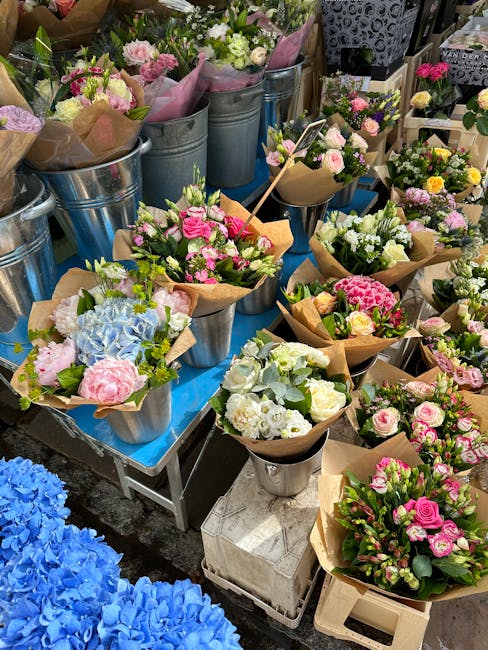
Why Best flowers for weddings at The Pantiles Tunbridge Wells Matters
The Pantiles is not a blank canvas. That is the lovely part and, occasionally, the tricky part. Its historic character, strong architectural lines, and genteel atmosphere mean that floral choices need to complement the venue rather than compete with it. The best wedding flowers here are the ones that feel intentional: polished, graceful, and suited to the surroundings.
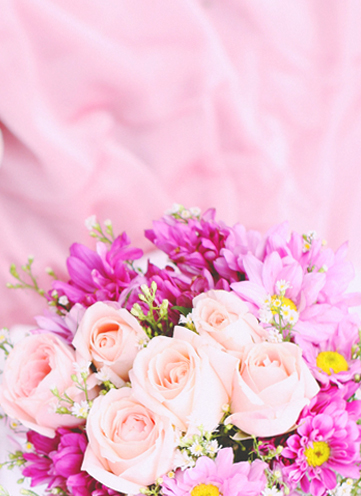
In a venue like this, flowers are doing more than looking pretty in photos. They help define the wedding style. A classic white scheme feels elegant and timeless. Soft pinks and garden blooms can make the day feel romantic and warm. Rich reds, purples, and jewel tones add drama without losing sophistication. The same bouquet can feel completely different depending on the backdrop, and The Pantiles has enough visual presence that you want your flowers to belong there naturally.
There is also the practical side. A wedding in Tunbridge Wells may involve travel, mixed indoor-outdoor moments, and different light levels across the day. A bloom that looks flawless in the morning can seem a bit flat by late afternoon if it has not been chosen well. So the question is not only, what is beautiful? It is also, what will stay beautiful in real wedding conditions?
Expert summary: at The Pantiles, the strongest wedding florals are usually elegant, season-aware, and designed to work with the venue's historic charm rather than overpower it.
How Best flowers for weddings at The Pantiles Tunbridge Wells Works
Choosing wedding flowers for The Pantiles is a bit like styling a room with a very good original feature. You do not want to hide it. You want to frame it.
The process usually starts with three decisions: your colour palette, your flower style, and the type of arrangements you actually need. Once those are clear, everything else becomes easier. For example, if you love a soft English-garden look, you might lean towards roses, lisianthus, hydrangeas, and seasonal foliage. If you want a sharper modern finish, you may prefer structured roses, orchids, and a more limited palette of white, cream, and green.
At The Pantiles, wedding florals often work best in layered pieces rather than one oversized display. A bridal bouquet, bridesmaid bouquets, buttonholes, table flowers, and perhaps a few entrance or ceremony accents usually create a more balanced result than trying to make one giant arrangement do all the work. A little here, a little there. It adds up quickly.
You should also think about the rhythm of the day. Ceremony flowers need to photograph well from a distance. Reception flowers should look good close up, around food and conversation. Bouquets need to survive hand-held throughout the day without feeling heavy. These are small things, but they matter. Let's face it, nobody wants to spend half the wedding shifting a bouquet that feels like a houseplant.
What tends to work especially well
- Classic roses for timeless romance and reliable shape
- Peonies for lush, seasonal softness when available
- Hydrangeas for volume and a full, fresh look
- Lisianthus for a delicate, airy feel
- Orchids for a refined, contemporary finish
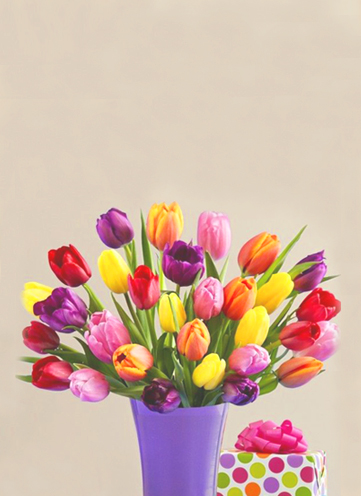
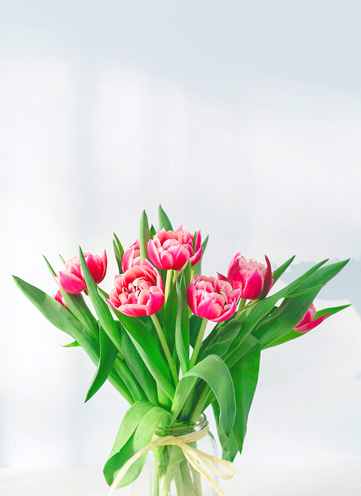
- Ranunculus and tulips for spring weddings with a lighter touch
- Seasonal foliage to add texture without making things heavy
If you are looking for wedding-specific arrangements, pages such as wedding flowers and bridal bouquets are useful starting points when browsing styles that could suit the venue. For smaller finishing touches, buttonholes and bridesmaid bouquets help round out the look without overcomplicating it.
Key Benefits and Practical Advantages
Good wedding flowers do far more than fill space. Done properly, they make the whole day feel calmer, more cohesive, and more considered. That may sound a bit grand, but it is true. The right floral palette saves you from visual clutter and helps the venue feel dressed, not crowded.
Here are the main practical advantages of choosing flowers carefully for The Pantiles:
- They suit the architecture. Elegant flowers echo the venue's historic feel instead of clashing with it.
- They improve photographs. Balanced colours and textures photograph better than overcomplicated arrangements.
- They support your theme. Whether you want modern, romantic, vintage, or classic, flowers help tell that story.
- They manage scale. Smaller or more restrained arrangements can look more luxurious in a venue with character.
- They simplify planning. A consistent flower story makes every decision easier, from ribbons to table decor.
There is also a subtle emotional benefit. Flowers make a space feel like a wedding the moment guests walk in. You can hear the conversation dip a little, see people glance around, and notice that shift from "nice venue" to "this is clearly their day". That moment matters.
| Flower choice | Best for | Why it works at The Pantiles | Things to watch |
|---|---|---|---|
| Roses | Classic, romantic weddings | Elegant shape, familiar and timeless | Can feel too formal if overused |
| Peonies | Lush spring and early summer weddings | Soft, luxurious, very photogenic | Seasonal availability can be limited |
| Hydrangeas | Full arrangements and statement pieces | Add volume without too many stems | Need careful hydration in warm weather |
| Lisianthus | Romantic, delicate designs | Lightens bouquets and mixes well with roses | Best used with stronger focal flowers |
| Orchids | Modern or luxury styling | Brings polish and a refined finish | Can look sparse if under-dressed |
For couples wanting a more premium feel, luxury flowers and curated mixes such as white bridal bouquet designs can offer a cleaner, more composed look. If you prefer a softer, more budget-conscious approach, a thoughtful mix from the broader flower range can still feel beautiful and wedding-appropriate.
Who This Is For and When It Makes Sense
This guide is for couples who want their wedding flowers to feel right for The Pantiles rather than simply "nice in general". That distinction sounds small, but it saves disappointment. A bouquet that looks stunning in a field garden wedding may need a different balance in a historic town-centre venue.
It makes particular sense if you are:
- getting married at or near The Pantiles and want a refined, venue-aware floral style
- planning a classic, romantic, or elegant wedding theme
- working with a small-to-medium floral budget and need to prioritise what matters most
- wanting flowers that look good in both photos and real life
- seeking ideas for bridal bouquets, bridesmaid flowers, buttonholes, and table arrangements that feel coordinated
It is also useful if you are still at the "we know we want flowers, but what exactly do we want?" stage. That is more common than people admit. Quite a lot more common. You may have a general vision-soft, pretty, elegant, not too much-and this article helps translate that into actual flower choices.
If your wedding is intimate, a few well-placed arrangements can do a lot of work. If it is larger, the same principle still applies, but you may need a more structured plan so the flowers carry through the ceremony, photos, and reception without looking pieced together.
Step-by-Step Guidance
Here is a practical way to choose the best flowers for weddings at The Pantiles Tunbridge Wells without getting overwhelmed.
1. Start with the feel of the day
Ask yourself what you want guests to feel when they walk in. Calm and classic? Soft and romantic? Bright and joyful? Your answer should guide the entire flower plan. A venue like The Pantiles can take a variety of styles, but it does reward clarity.
2. Choose a colour palette first
Pick two or three core tones and one supporting colour, if needed. White, blush, ivory, and green are a safe and elegant base. Deeper tones like burgundy, plum, or mauve can feel more dramatic. Avoid loading in too many shades unless the design is intentionally colourful.
3. Match the flowers to the season
Seasonal flowers usually give you the best balance of quality, value, and appearance. Spring weddings often suit tulips, ranunculus, peonies, and roses. Summer opens the door to garden roses, hydrangeas, lisianthus, and fuller mixed arrangements. Autumn can work beautifully with richer roses, chrysanthemums in the right setting, and warm foliage. Winter weddings often benefit from elegant whites, deep reds, and structured designs.
4. Decide where the impact should go
Do you need to make the ceremony feel special, or is the reception where the flowers need to shine? In many cases, the answer is both-but not equally. If budget is tighter, put the strongest flowers where people will see them most: the bouquet, the ceremony focal point, and the main tables.
5. Pick the key arrangements
Most couples need some combination of:
- bridal bouquet
- bridesmaid bouquets
- buttonholes or boutonnieres
- table arrangements
- ceremony flowers
- entrance or feature displays
Not every wedding needs everything. That part is important. Sometimes less is genuinely better.
6. Check practical details early
Ask about timings, delivery, set-up, and how arrangements will be kept fresh. For weddings, flowers often need a proper schedule rather than a simple drop-off. If you are organising things locally, pages such as delivery information and contact us are sensible places to confirm what is available and how it is handled.
7. Build a backup plan
Weather, transport delays, and late changes happen. A good florist should be able to suggest substitutes if a particular flower is unavailable. That does not mean the design is compromised; it just means the plan is resilient. A bit of flexibility goes a long way.
Expert Tips for Better Results
If you want the flowers to look more polished and less "chosen in a hurry the night before", these are the details that make the difference.
- Work with the venue's colour and texture. The Pantiles has a distinctive look, so choose florals that complement it rather than fight for attention.
- Use one focal flower, not five. A bouquet reads more elegantly when there is a clear star of the show.
- Keep table flowers lower than you think. Guests want to talk across the table, not around a jungle.
- Mix textures carefully. Soft petals, structured blooms, and light foliage create a richer finish than a single flower type alone.
- Ask about vase life and handling. Especially in warmer months, some flowers need more careful hydration than others.
- Let the bouquet fit the dress. A large, loose bouquet may overpower a simple gown, while a very compact posy can disappear against a dramatic dress.
One small but useful detail: if your wedding is taking place later in the day, flowers with stronger structure and good colour depth often hold their visual impact better as light changes. In late afternoon, soft pinks and whites can go dreamy; richer centres and more defined shapes keep things from washing out.
For couples who want something beautifully coordinated without spending hours comparing every option, the wider wedding corsages, table arrangements, and wedding gifts collections can help build a complete floral story.
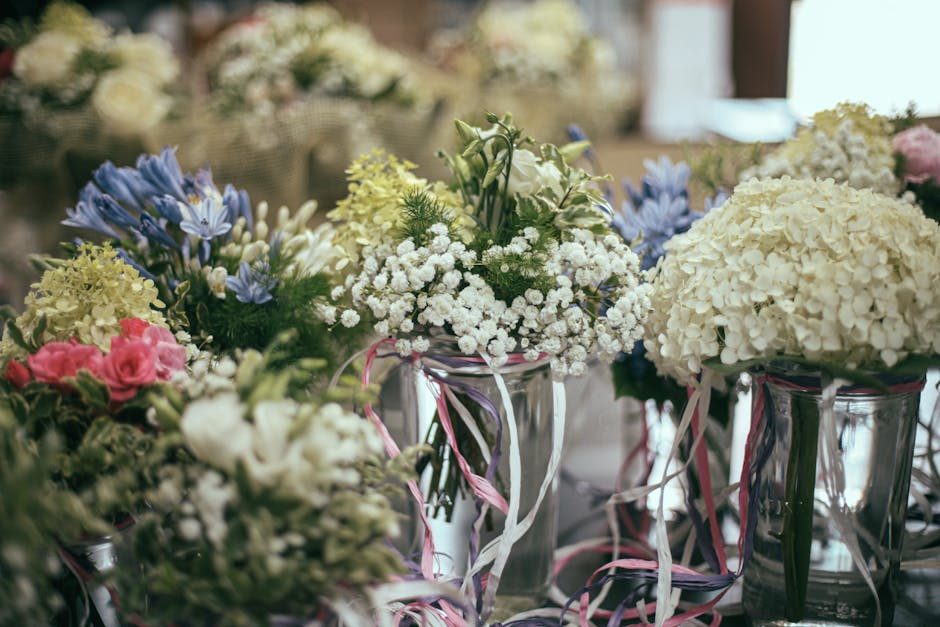
Common Mistakes to Avoid
Wedding flower mistakes are usually not dramatic. They are small issues that stack up. Here are the ones we see most often.
Choosing flowers without considering the venue
Something may be beautiful in isolation and still feel wrong in the room. A very rustic look can feel out of place if the rest of the wedding is refined and formal. The setting matters. Quite a lot.
Mixing too many styles
Romantic, boho, modern, vintage, wildflower, classic-pick too many directions and the result can feel confused. It is better to have one clear style with a few gentle touches than five competing ones.
Ignoring scale
Oversized arrangements can dominate small spaces. Tiny bouquets can vanish in photographs. Scale is one of the easiest things to overlook and one of the most important to get right.
Forgetting practical handling
Some flowers are more delicate than others. If a bouquet will be carried for hours, handled in warm weather, or moved between locations, ask how it will hold up.
Not planning the order of delivery
If bouquets arrive too early, they may need special care. If they arrive too late, the whole timeline feels rushed. Timings matter, and usually more than people expect.
Trying to save money in the wrong place
It is tempting to cut the budget where the flowers are most visible, but this can backfire. Better to simplify the number of arrangements than weaken the quality of the most important ones.
A sensible rule of thumb: if a design choice does not help the venue, the photos, or the guest experience, question it.
Tools, Resources and Recommendations
You do not need complicated tools to plan wedding flowers well, but a few simple resources make the process much easier.
- Inspiration mood board: collect a small set of images showing bouquet shape, colour direction, and overall feel.
- Venue notes: jot down where flowers will be placed and whether any tables, entrances, or focal points need attention.
- Guest list basics: useful for estimating buttonholes, corsages, and table numbers.
- Dress and suit references: so flowers complement fabric, colour, and style.
- Seasonal flower preference list: helpful if you want the design to feel fresh rather than forced.
On the site, a good starting point for planning and reassurance is the about us page, which helps you understand the business behind the flowers, along with guarantees and flower care for practical aftercare and quality expectations. If you want to browse broader flower styles before narrowing down your wedding look, all flowers and florist choice can be useful for seeing what feels most aligned with your taste.
And yes, it helps to have one person in the couple acting as the final decision-maker. Not because the other person does not get a say, but because endless micro-decisions can eat the entire evening. A familiar story, honestly.
Law, Compliance, Standards, or Best Practice
For wedding flowers, there is not usually a heavy legal burden in the way there might be with licensed services or regulated building work. Still, there are sensible best practices worth following.
- Always confirm delivery and set-up responsibilities in writing. Even a simple order summary can prevent confusion on the day.
- Be clear about substitutions. Seasonal and availability changes are normal in floristry, so agree in advance how alternatives will be handled.
- Check venue access rules. Historic venues and event spaces may have restrictions on arrival times, loading, or where items can be placed.
- Consider allergies and scent strength. Strongly scented flowers can be lovely, but they are not always ideal near dining areas or for sensitive guests.
- Ask about sustainability where it matters to you. Flower sourcing, reusable mechanics, and foam-free design choices may be relevant depending on your priorities.
In the UK, it is also normal and sensible for florists to work with clear terms and conditions, payment expectations, and refund or replacement policies. That does not sound romantic, but it is part of a smooth wedding process. You want the lovely bit to be lovely, and the admin to be quiet. As it should be.
If you are comparing suppliers, it is worth reading the terms and conditions, payment, and returns and refund pages so you know what to expect before you commit.
Options, Methods, or Comparison Table
There is no single "best" wedding flower style for The Pantiles. The right option depends on the feel you want, the season, and how much visual impact you need. This comparison should help narrow things down.
| Style | Best for | Strengths | Possible downside |
|---|---|---|---|
| Classic white and green | Elegant, timeless weddings | Clean, versatile, suits the venue beautifully | Can feel too minimal if not layered well |
| Romantic blush and ivory | Soft, feminine, graceful themes | Warm, flattering, very photogenic | Needs careful contrast so it does not fade visually |
| Bold jewel tones | Autumn or dramatic weddings | Rich, memorable, high-impact | Can overpower smaller spaces if overdone |
| Garden-inspired mixed blooms | Relaxed, natural-feel weddings | Textural and charming | Can look messy if not edited carefully |
| Modern luxury flowers | Contemporary or formal weddings | Refined, sharp, polished | Sometimes less forgiving if the design is too sparse |
For bouquet-led weddings, products such as bridal bouquets, bridesmaid bouquets, and buttonholes can help you build a cohesive set. If you want more of a collection approach, look at wedding collection options such as the broader wedding ranges available on the site. A matching set can be easier to manage than piecing things together one stem at a time.
Case Study or Real-World Example
Here is a realistic example based on a typical Pantiles wedding brief.
A couple wanted a spring ceremony with a formal-but-romantic feel. They loved pale pinks and whites, but did not want anything overly fussy. The venue itself had plenty of character, so the flower plan needed to feel elegant rather than busy.
The final direction used:
- a soft bridal bouquet with roses, lisianthus, and a little fresh foliage
- simple bridesmaid bouquets in a lighter version of the same palette
- white buttonholes with a small accent bloom
- table arrangements that were low, compact, and easy for guests to talk across
- one stronger focal arrangement for the ceremony area
What worked well was restraint. There were enough flowers to create atmosphere, but not so many that the venue lost its own personality. Guests noticed the freshness and the colour balance, and the photos had that calm, polished look people hope for but rarely describe properly in advance.
The couple also made one smart choice that is worth copying: they prioritised the bouquet and ceremony piece, then kept reception arrangements lighter. That allowed them to spend where it mattered most. Not flashy. Just sensible. And sometimes that is the secret.
Practical Checklist
Use this checklist to keep your flower planning on track:
- Choose the overall wedding style first
- Pick a clear colour palette
- Confirm the season and likely flower availability
- Decide which arrangements are essential
- Choose flowers that suit The Pantiles setting
- Check bouquet size against dress style
- Keep table flowers low enough for conversation
- Ask about substitutions in case of seasonal changes
- Confirm delivery, setup, and collection timing
- Review any venue access restrictions
- Make sure the flower choices work in photographs as well as in person
- Keep one backup idea for any key flower that may be unavailable
Quick reminder: if the design feels too complicated at the planning stage, it will probably feel too complicated on the day too.
Conclusion
The best flowers for weddings at The Pantiles Tunbridge Wells are the ones that respect the venue, suit the season, and reflect your own style without trying too hard. Classic roses, romantic garden blooms, elegant hydrangeas, and refined orchids all have a place here, but the real win is in how they are used. Good wedding florals are not just pretty objects. They are part of the atmosphere, the photographs, the pacing of the day, and the memory you carry afterwards.
If you keep the look coherent, scale it properly, and plan with the venue in mind, you will end up with flowers that feel calm, beautiful, and genuinely right for the setting. That is what people remember. The little gasp when they walk in. The bouquet in the afternoon light. The table flowers that somehow made everything feel complete.
Get a free quote today and see how much you can save.
And if you are still deciding, that is fine too. Good wedding flowers are worth taking a moment over. The right choice tends to reveal itself once the day starts taking shape.
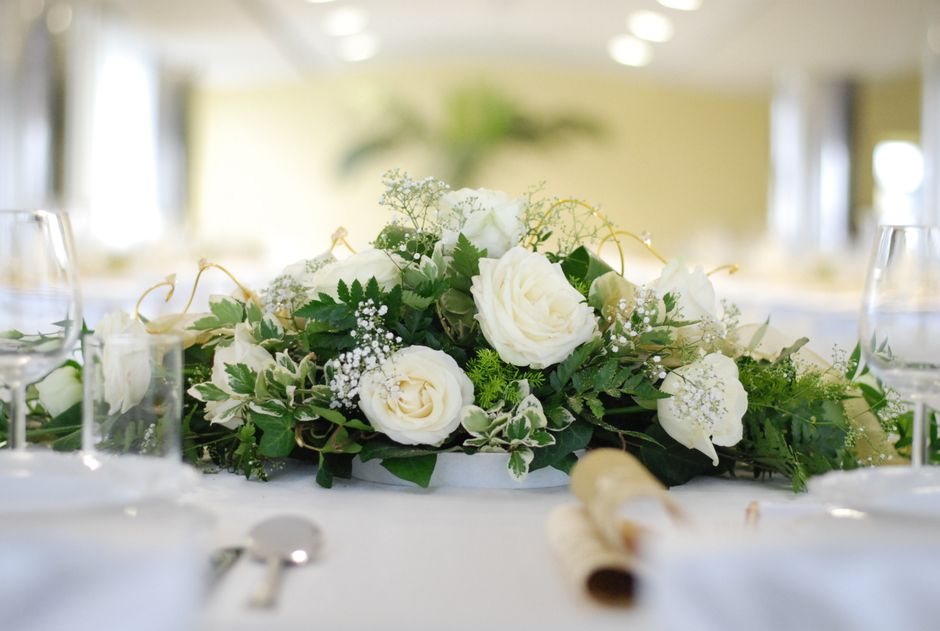
Frequently Asked Questions
What flowers are best for a wedding at The Pantiles Tunbridge Wells?
Roses, peonies, hydrangeas, lisianthus, and orchids are all strong choices, depending on the season and your style. For The Pantiles, elegant, well-edited arrangements usually work best because the venue already has plenty of character.
Should wedding flowers at The Pantiles be formal or relaxed?
Either can work, but they should feel intentional. A formal venue look often suits The Pantiles very well, while a relaxed garden style can also be lovely if it is kept neat and balanced. The key is not letting the design become too busy.
Which colours work best for weddings at The Pantiles?
White, ivory, blush, soft pink, green, mauve, and richer tones like burgundy or plum all work well. The best palette depends on the season, dress colours, and the overall feel you want to create.
Are seasonal flowers better than imported flowers for weddings?
Usually, seasonal flowers offer better value, freshness, and visual harmony. Imported flowers can be useful for specific looks or timing needs, but seasonal choices are often the most practical starting point.
How many floral arrangements do I really need?
That depends on the size of the wedding and the parts of the day you want to emphasise. At a minimum, most couples focus on the bridal bouquet, bridesmaid flowers, buttonholes, and a few key ceremony or table arrangements.
Can I keep wedding flowers simple and still make an impact?
Absolutely. In fact, a simple floral plan can look more luxurious than an overfilled one if the colours, scale, and placement are well chosen. A few well-made pieces often beat lots of smaller, less cohesive ones.
What should I prioritise if I have a limited budget?
Put the most budget into the bouquet, ceremony focal flowers, and main tables. Then simplify the rest. Reducing the number of arrangements is usually more effective than reducing the quality of the main pieces.
How far in advance should I plan wedding flowers?
It is sensible to start planning early, especially if you want specific seasonal flowers or a custom look. The more detailed your design, the more useful it is to confirm things ahead of time so there is space for changes if needed.
Do wedding flowers need special handling on the day?
Yes, they often do. Bouquets, buttonholes, and table flowers may need specific delivery timing, hydration, and setup. Warm weather, delays, and movement between venues can all affect how fresh they look, so practical handling matters.
Can I mix roses with other flowers for a more natural look?
Yes, and that is often a good idea. Roses pair beautifully with lisianthus, hydrangeas, orchids, and foliage. Mixing them well creates texture and keeps the design from feeling too stiff or formal.
What is the safest flower choice if I am not sure what to pick?
Florist choice, white roses, and soft mixed wedding arrangements are usually safe starting points. They are versatile, elegant, and easy to adapt to the season and venue style.
Should I choose the same flowers for bridesmaids and the bride?
They do not need to match exactly. It is often better if the bridesmaids' bouquets echo the bridal bouquet without competing with it. That keeps the whole wedding party coordinated while still allowing the bride's flowers to stand out.
What if a particular flower is unavailable near my wedding date?
That is fairly common in floristry. A good plan includes suitable alternatives in the same colour family or with a similar shape, so the overall design still feels complete and beautiful.
Are scented flowers a good idea for wedding tables?
Sometimes, yes, but lightly scented options are usually safer near dining areas. Strong fragrance can overwhelm guests in enclosed spaces, so balance is important if tables are close to food and conversation.