What to know about late wedding flower bookings Tunbridge Wells
Posted on 12/10/2026
If you are trying to sort wedding flowers at short notice, you are not alone. Couples run behind for all sorts of reasons: venue changes, guest list shifts, weather worries, budget resets, or simply that life got in the way. The good news is that late wedding flower bookings in Tunbridge Wells can still work beautifully if you know what to prioritise, what to ask for, and where flexibility matters most. This guide walks you through the real-world decisions, the practical risks, and the easiest way to get a result that feels calm, polished, and very much on purpose.
Truth be told, flowers are one of those wedding elements that can look effortless when they are anything but. The arrangement has to suit the venue, the colour palette, the season, and the delivery window. Add a short lead time, and the planning gets a bit tighter. Not impossible. Just tighter.
Whether you need a bridal bouquet, buttonholes, bridesmaid flowers, table arrangements, or a fuller wedding set-up, the aim here is simple: help you make a smart choice without spiralling into "we've left this far too late" territory.
Quick takeaway: late booking does not automatically mean compromise. It usually means being more decisive, more flexible, and more open to florist-led design choices.
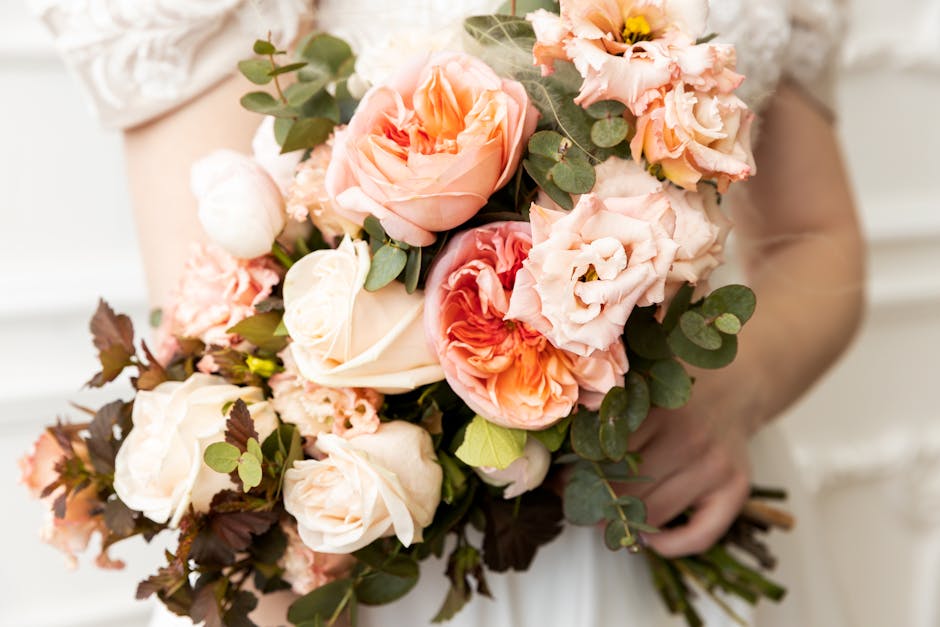
Why What to know about late wedding flower bookings Tunbridge Wells Matters
Late flower bookings matter because weddings do not pause while you catch up. The venue still needs dressing, the bridal party still needs bouquets and buttonholes, and the day still has to feel coherent from the first photo to the last toast. In Tunbridge Wells, where couples often mix local venues, country-house settings, church ceremonies, and town-centre receptions, timing can get a bit complex very quickly.
When flowers are booked late, the main risk is not simply availability. It is alignment. You need a florist who can match your timeline, source suitable stems quickly, and still deliver something that feels deliberate rather than rushed. That distinction is huge. A rushed order can still be lovely, but it needs careful direction. A thoughtful last-minute order can look surprisingly refined.
It also matters because wedding flowers are often the visual thread that ties everything together. The bouquet sets the tone. The table flowers soften the room. The buttonholes and corsages bring the party into the same palette. If one part is missing, the whole picture can feel a little unfinished. And let's face it, no couple wants that sinking feeling on the morning of the wedding.
There is also a local reality to consider. In and around Tunbridge Wells, wedding suppliers can become heavily booked during peak spring and summer weekends. So if you are searching late, you are not just choosing a design; you are choosing someone who can actually move quickly and communicate clearly. That second bit is underrated, by the way. Good communication saves hours.
How What to know about late wedding flower bookings Tunbridge Wells Works
Late wedding flower booking usually means the florist has less time than usual to plan, order, condition, and prepare your flowers. The exact timeframe is different for every supplier, but the process generally works like this: you enquire, explain your date and needs, confirm availability, discuss style and budget, then move fast on approval and payment so the florist can secure stems and schedule work.
In practical terms, the florist may suggest designs based on what is already available, what is in season, or what can be created reliably at short notice. That might mean a more flexible palette, a simpler bouquet shape, or a "florist choice" approach. This is not second-best. It is often the smartest route if your wedding is close and you want the best possible finish without stressing everyone out.
Here is the part many people miss: late bookings work best when you are clear about what is fixed and what is flexible. Fixed might be the bridal bouquet colour, the ceremony flowers, or a specific flower type you love. Flexible might be the exact shade of greenery, the table vessel, or whether the bridesmaids carry smaller versions of the bride's bouquet or a simpler hand-tied arrangement.
If you need inspiration while narrowing the brief, browsing a focused range such as wedding flowers or bridal bouquets can help you describe the style you want without overcomplicating the brief. That said, do not get trapped in endless scrolling. It is a wedding, not a dissertation.
A florist may also ask about delivery logistics. For example: where the flowers should arrive, who will receive them, whether the venue has set-up access, and whether the flowers need to be at the venue, home, or ceremony location first. Short notice means each handover matters a little more, because there is less margin for a missed call or a closed gate.
Key Benefits and Practical Advantages
Late wedding flower bookings are not ideal in a perfect-planning world, but they do have real advantages if handled well.
- Faster decision-making: with less time to overthink, couples often choose more confidently and end up with a cleaner look.
- Floral flexibility: florists can recommend stems that are available now rather than designing around a flower that may be hard to source.
- Budget control: a shorter brief can sometimes reduce waste and keep the design focused.
- Less pressure to over-plan: you can prioritise the pieces that matter most and skip extras that will not be noticed on the day.
- More natural styling: relaxed, season-led designs often feel fresh and elegant rather than overworked.
There is another benefit that is easy to miss. Late booking can force clarity. Couples often discover that they do not actually need twenty different floral moments; they need one strong bouquet, a handful of well-placed arrangements, and a decent plan for photos. That clarity can be a relief.
If you want a florist to guide you toward an elegant, practical choice, browsing options like florist choice or white bridal styles can be a sensible starting point. These pages show the kind of ready-to-interpret designs that tend to work well when time is short.
Who This Is For and When It Makes Sense
Late wedding flower bookings make sense for a surprising number of people. It is not just for couples who forgot. More often, it is for couples whose planning has shifted, often for very normal reasons. The date moved. The guest list changed. The venue changed hands. The original florist was no longer available. Or the couple simply held back on flowers until the broader picture was clearer.
This approach suits you if:
- your wedding is a few weeks away, or even sooner;
- you have a modest floral list and need the essentials covered well;
- you want a florist-led design rather than a fully bespoke flower-by-flower build;
- you are happy to be flexible on bloom varieties or exact shades;
- you need bridal party flowers, ceremony flowers, or reception pieces quickly;
- you value a clean, reliable delivery process more than a long design consultation.
It also makes sense for couples who are planning a more intimate wedding. Smaller ceremonies tend to need fewer floral elements, which means the arrangements can be prioritised more intelligently. A beautiful bouquet, a few buttonholes, and a modest table arrangement can go a long way. They really can.
On the other hand, if your wedding depends on a large-scale floral installation, a long hanging feature, or a very specific imported flower palette, late booking becomes trickier. Not impossible, but trickier. In those cases, the question is less "can it be done?" and more "how much can be simplified without losing the look you want?"
Step-by-Step Guidance
If you are booking wedding flowers late in Tunbridge Wells, a calm step-by-step approach helps more than anything else. Here is the practical route.
1. Confirm the date, venue, and must-have flowers
Start with the facts you cannot change. Wedding date, ceremony time, venue name, and the key floral pieces you need. If there is a church service, venue turnover, or a second location for photos, note that too. The fewer uncertainties at this stage, the faster a florist can tell you what is realistic.
2. Decide what matters most
Do you care most about the bouquet? The tables? The ceremony backdrop? If everything matters equally, late planning becomes messy. Pick one or two focal points. For many couples, that means the bridal bouquet and reception flowers. For others, it is bouquets plus buttonholes. The rest can be simplified.
3. Set a realistic budget range
Giving a range is better than guessing a single number and then panicking when the florist suggests options. A range allows the florist to steer you toward designs that fit the time available and the visual result you want. If you are working to a smaller budget, say so early. Honest input makes for better recommendations.
4. Share visual references, but not too many
A few images are useful. Twenty-seven screenshots are not. Pick one or two visuals that show the general feel: soft and romantic, modern and minimal, seasonal and natural, or full and classic. You want direction, not a collage fever dream.
5. Ask what can be sourced now
At short notice, the florist may need to build around available stock. Ask which flowers are in season, which colours are easiest to achieve, and which items may need substitution. This is especially important if you want particular roses, lilies, hydrangeas, or mixed seasonal stems.
6. Confirm production and delivery details
Check when the flowers will be made, how they will be packaged, and exactly where they will arrive. Ask whether buttonholes and bouquets will be water-packed or boxed, and whether the venue has a safe drop-off point. Small details, big difference.
7. Approve quickly and keep communication tidy
Late orders move fast. If the florist sends a proposal or asks for a decision, reply promptly. Delays can mean flower substitutions, booking conflicts, or missed ordering windows. Nobody enjoys a "just checking in" email at 9:40 p.m., but here we are.
Expert Tips for Better Results
After years of helping people make floral decisions under time pressure, a few truths keep coming up.
Choose structure before detail. Decide the shape and mood first. Round bouquet, loose hand-tied style, compact ceremony arrangements, or fuller statement pieces. The exact flower mix can follow later. That order of decision-making saves time and headaches.
Be open to seasonal substitutions. If your first choice is unavailable, a skilled florist should be able to suggest something similar in tone, size, or texture. The result often looks more natural anyway. To be fair, many of the best wedding arrangements come from flexibility, not rigidity.
Keep the palette tight. Three to five colours is usually enough for a wedding floral scheme. Trying to hold six shades, two accent colours, and a "tiny bit of silver-green" all at once can get muddy fast.
Think in zones. Where will flowers have the most visual impact? Ceremony entrance. Aisle. Top table. Cake area. Main dining tables. Photos. If the budget or time is limited, place the best flowers where they will be seen most.
Use florist-led design where it helps. A good florist knows which flowers travel well, which flowers open beautifully, and which combinations hold up through a full wedding day. You do not need to micromanage every stem. Honestly, most people are happier when they stop trying.
Keep transport in mind. Tunbridge Wells traffic, venue parking limits, and narrow access points can all affect timing. If a location is awkward, plan around it early. A beautiful bouquet is lovely. A bouquet that arrives on time is better.
If you are looking for designs that already suit wedding use, pages such as wedding buttonholes and table arrangements can help you see how the final pieces may work together without starting from scratch.
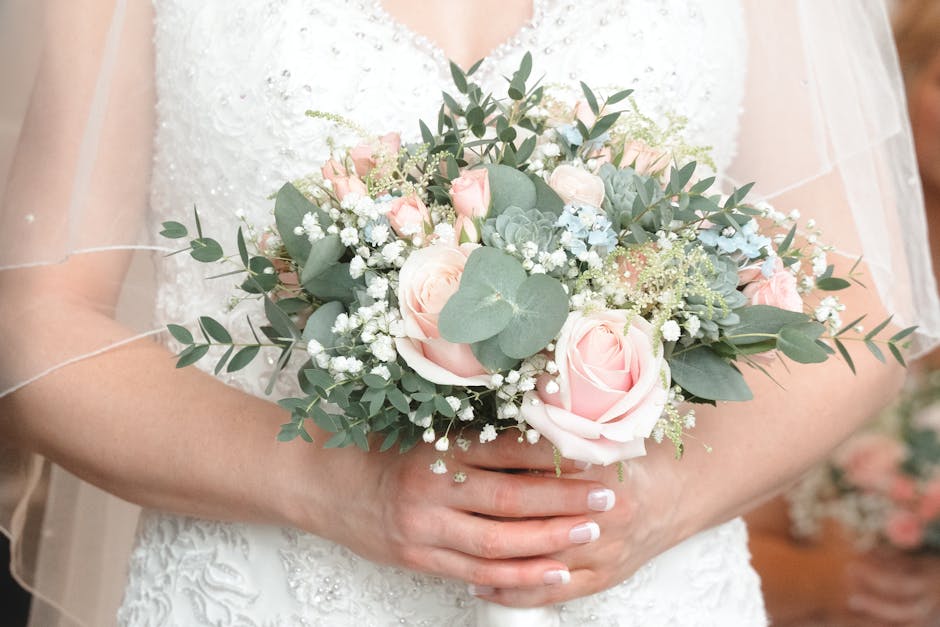
Common Mistakes to Avoid
Late booking is rarely ruined by one dramatic mistake. It is usually a cluster of small ones. The good news? They are very avoidable.
- Waiting too long to enquire: even if you are unsure, checking availability early gives you options.
- Giving too much direction too late: short lead times and ultra-specific demands do not mix well.
- Ignoring venue logistics: delivery access, set-up time, and contact details matter more than people think.
- Assuming every flower is always available: seasonal and supply realities are part of the process.
- Trying to copy a detailed Pinterest image exactly: lovely idea, but the clock may disagree.
- Not confirming the essentials in writing: even if a conversation felt clear, written confirmation helps avoid confusion.
One of the biggest traps is emotional rather than practical. People often feel embarrassed about booking late, so they hesitate, apologise repeatedly, or hold back useful information. Do not do that. Just be clear. Florists work with real timelines all the time, and clarity beats apologies every time.
Tools, Resources and Recommendations
You do not need fancy tools to manage late wedding flowers. You need a few practical aids and a tidy decision process.
- A simple mood board: three images, maybe four. Enough to show style, not enough to confuse the issue.
- Guest and supplier notes: keep names for the bridal party, venue contact details, and delivery instructions in one place.
- A colour reference: write down your key shades in plain English, such as ivory, blush, sage, plum, or white and green.
- A priorities list: what must happen, what would be nice, and what can be dropped if time gets tight.
- Product pages for context: browsing collections such as wedding corsages or wedding gifts can help you decide whether you need more finishing touches or just the core flowers.
If you are comparing styles, it also helps to look at ready-made wedding collections. They show how a florist groups bouquet, buttonhole, and bridal party pieces into a single visual language. That is especially useful if you are booking late and need a cohesive look quickly.
In practical terms, the best recommendation is this: work with someone who can explain choices plainly, not someone who makes the whole thing feel like a puzzle box. Flowers should feel exciting, not exhausting.
Law, Compliance, Standards, or Best Practice
For wedding flowers, there is usually no special legal process for the booking itself. That said, best practice still matters. Clear terms, written confirmation, transparent pricing, and agreed delivery arrangements are all sensible expectations when any wedding supplier is involved.
In the UK, wedding suppliers commonly work to the terms set out in their own policies, so it is sensible to read the florist's payment, cancellation, substitution, and delivery information carefully. If a design needs changing because of availability, the florist should explain that clearly. A good working relationship here is built on straightforward communication, not surprises.
Two areas deserve extra attention:
- Substitutions: if a particular bloom is unavailable, the florist should usually be able to offer a suitable alternative in the same style or value range.
- Delivery timing: wedding flowers are time-sensitive. Late or unclear access instructions can create avoidable problems, especially at busy venues.
If your order includes keepsake elements, venue dressing, or items that need storage, ask how they will be handled before the wedding day. Better safe than sorry. That old line stays around for a reason.
It is also sensible to check any refund or return terms in advance, though wedding flowers are naturally perishable and often made to order. The important thing is not to assume. Ask. Read. Confirm. Boring? A bit. Useful? Very.
Options, Methods, or Comparison Table
When the timing is tight, you generally have three workable approaches. Each has its place.
| Approach | Best for | Pros | Trade-offs |
|---|---|---|---|
| Fully bespoke, short notice | Couples who still want a specific style and have some flexibility | Highly personalised; strong visual impact | Needs quick decisions and may involve substitutions |
| Florist-led design | Couples who trust professional judgement | Fast, practical, usually excellent value for time saved | Less control over exact stems |
| Core essentials only | Small weddings or tight budgets | Covers the most important pieces cleanly | Fewer decorative extras |
For many couples in Tunbridge Wells, florist-led design ends up being the sweet spot. You still get something elegant, but the pressure drops because the florist can work with what is available, what travels well, and what will look good on the day rather than only on paper.
If you already know you want a smaller, well-edited order, consider starting with the essentials from wedding collections and then layering in a few extras if time allows. Simple is not a downgrade. Often it is the better choice.
Case Study or Real-World Example
Here is a realistic example based on the kind of situation many couples face.
A couple planning a late autumn wedding in Tunbridge Wells realised, just a few weeks out, that their original florist could no longer take the booking. They did not need a huge floral display, but they did want the day to feel warm and cohesive. Their priorities were a bridal bouquet, four bridesmaid bouquets, six buttonholes, and simple table arrangements for the reception.
Instead of trying to recreate a complicated inspiration board, they narrowed the palette to ivory, soft blush, and greenery. The florist then suggested a practical mix of seasonal flowers that would hold up well across the day and could be delivered safely to the venue. The couple chose to be flexible about exact blooms, but strict about overall mood: elegant, not fussy; soft, not sugary.
What made the difference? Three things.
- They replied quickly and confirmed the brief in writing.
- They accepted a small number of substitutions without fuss.
- They focused on the pieces that mattered most in photos and during the ceremony.
The result was polished and calm. No one at the venue had to improvise. The bouquet photographed beautifully in late afternoon light, and the table flowers tied the room together without trying too hard. A simple outcome, but a strong one. That is often the sweet spot for late bookings.
Practical Checklist
Use this checklist before confirming a late wedding flower booking in Tunbridge Wells.
- Confirm your wedding date, venue, and ceremony time.
- List every floral item you actually need.
- Identify your top two priorities.
- Set a realistic budget range.
- Choose a colour palette with no more than a few key shades.
- Decide how flexible you can be on flower varieties.
- Share one or two reference images, not a giant gallery.
- Ask what is available for your date.
- Check delivery details, venue access, and drop-off contact names.
- Confirm payment terms, cancellation terms, and substitution policy.
- Reply quickly to proposals or questions.
- Keep the final confirmation in one easy-to-find place.
If you can tick all of those off, you are in a much better position than you may think. Honestly, you are. Late does not mean chaotic if the essentials are handled properly.
Conclusion
Late wedding flower bookings in Tunbridge Wells are perfectly manageable when you stay clear about priorities, remain open to seasonal choices, and work with a florist who can move quickly without losing the sense of care. The aim is not to force an impossible design into a shrinking timeline. It is to create something elegant, reliable, and right for your day.
So if you have left the flowers a bit later than planned, take a breath. Narrow the brief. Focus on the must-haves. Ask direct questions. Keep the process tidy. The right flowers can still come together beautifully, and sometimes the pressure of a late booking leads to a cleaner, more confident result than an overplanned one ever could.
If you are ready to move from browsing to booking, start with the styles and essentials that suit your day best, then ask for a fast, practical recommendation.
Get a free quote today and see how much you can save.
And remember, the best wedding flowers are not the ones with the most fuss. They are the ones that help the day feel like yours.
Frequently Asked Questions
How late can I book wedding flowers in Tunbridge Wells?
It depends on the florist, the date, and how complex your order is. Some couples book only a few weeks ahead, while others leave it even later. The key is to enquire as soon as possible, because availability can change quickly, especially during busy wedding months.
Can I still get a bridal bouquet at short notice?
Yes, in many cases you can. A bridal bouquet is often one of the easiest items to prioritise because it can be designed around seasonal availability. The more flexible you are on flower types and exact shades, the better your chances of getting something lovely in time.
What should I prioritise if I have a very short lead time?
Start with the bouquet, buttonholes, and any table or ceremony flowers that will appear in key photos. If your budget or time is tight, focus on the pieces people will actually see most. That usually gives you the biggest visual return.
Will I have to accept substitutions?
Probably, at least to some degree. Late bookings often mean the florist needs to work with what is available and in good condition. Substitutions are normal practice, but they should still match the overall style and value of your order.
Are florist choice wedding flowers a good idea?
Yes, often they are one of the best options for short notice. Florist choice gives the florist freedom to use the best stems available and build a cohesive arrangement quickly. It can be a very smart solution if you want quality without overcomplicating the brief.
How do I keep late wedding flowers from looking rushed?
Keep the colour palette simple, the brief focused, and the order realistic. A clear style direction usually matters more than a long list of demands. If the flowers are well chosen and well delivered, nobody will be thinking about when you booked them.
Can I order wedding flowers online for a last-minute wedding?
Yes, but make sure the products and delivery options suit your date. Online ordering can work well for simpler arrangements, especially if the page clearly shows wedding-specific items. For more tailored needs, a direct conversation is usually better.
What if my venue has limited access or strict timings?
Tell the florist early. Delivery windows, parking, lift access, and setup restrictions can all affect the plan. Short notice makes logistics more important, not less, so the more precise you are, the smoother the delivery will be.
Is it cheaper to book wedding flowers late?
Not necessarily. Sometimes a simplified brief can help control costs, but short notice can also reduce flexibility. The best way to manage spend is to define your priorities clearly and avoid asking for too many separate floral moments.
What is the best way to explain my style if I am booking quickly?
Use plain language: romantic, modern, classic, loose, structured, soft pastel, white and green, or bold and colourful. One or two reference images are useful, but a simple verbal description often works just as well if the florist is experienced.
Do I need to book every wedding floral item separately?
Not always. Many couples prefer to book a bridal package or a grouped set of items so the style stays consistent. If time is short, keeping everything within one joined-up order is often easier than piecing it together item by item.
What is the biggest mistake people make with late wedding flower bookings?
Hesitating too long before making decisions. A late booking needs clear choices, not endless second-guessing. Once you know what matters most, move ahead decisively and keep communication tidy. That alone solves a surprising amount.